
In 2022, Céu D’Ellia exhibited to the general public for the first time a body of work created in 1992, inspired by the life of a Brazilian rubber tapper—born in Bahia but a resident of the far western Amazon—whose story would secure his place in history: José Gabriel da Costa, known as Mestre Gabriel.
The Life of Mestre Gabriel: Presenting a Religious Iconography
Comments from Céu:
Why hold this exhibition in 2022?
Maybe because 1992-2022: 30 years since the creation of the Vida do Mestre Gabriel set of watercolors.
And 1922-2022: 100 years since the birth of José Gabriel da Costa, Mestre Gabriel, founding creator of União do Vegetal, a totally Brazilian religion, born within the Amazon Forest.
In this exhibition, I presented the eleven original watercolors from 1992, as well as a fine art edition—enlargements measuring 51.2 cm x 60 cm—printed on Hahnemühle William Turner 310 paper (a 100% cotton white paper produced at precisely 23°C and 50% relative humidity in Dassel, Germany). The printing was executed using Lucia Pro mineral pigments on a Canon image PROGRAF PRO-2100 printer (Serial No. BANS00840).
In addition to other original works related to the Amazon Rainforest theme, I produced texts explaining each drawing and the entire creative process in detail.
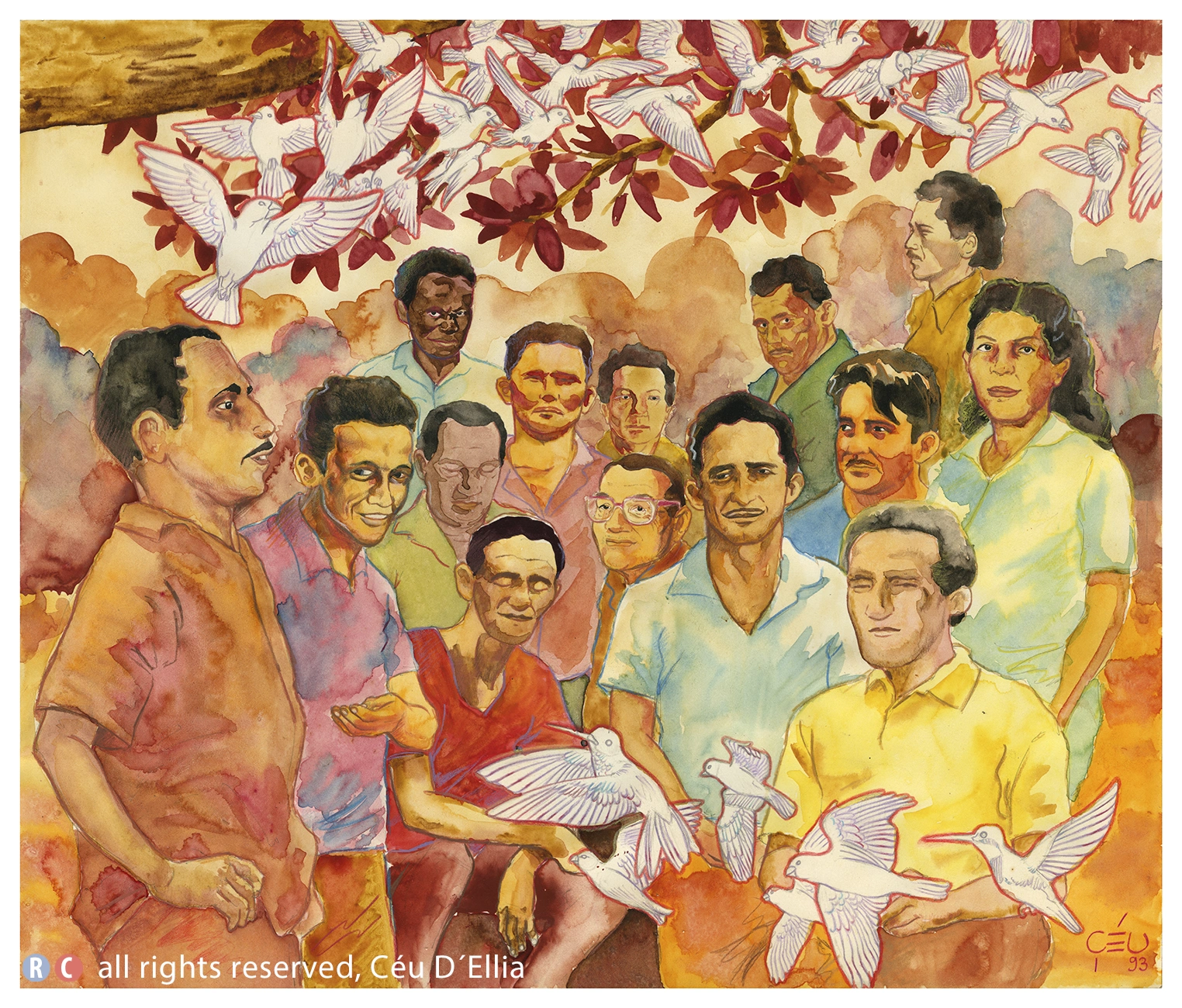
Five of the eleven watercolors that make up the collection are published here, and I also highlight below some excerpts from the texts:
“… Vegetal is one of the names the religious organization União do Vegetal gives to ayahuasca—a beverage of Neotropical indigenous origin produced by combining Banisteriopsis caapi with (typically) Psychotria viridis. Other names used by various indigenous and non-indigenous groups for this preparation—which is considered sacred in many cultures—include caapi, yagê, daime, santo-daime, hoasca, or simply chá (tea).
It should be noted that these different names also correspond to different methods of use and even preparation among the various groups; yet, they all share a common focus on some form of spiritual quest.
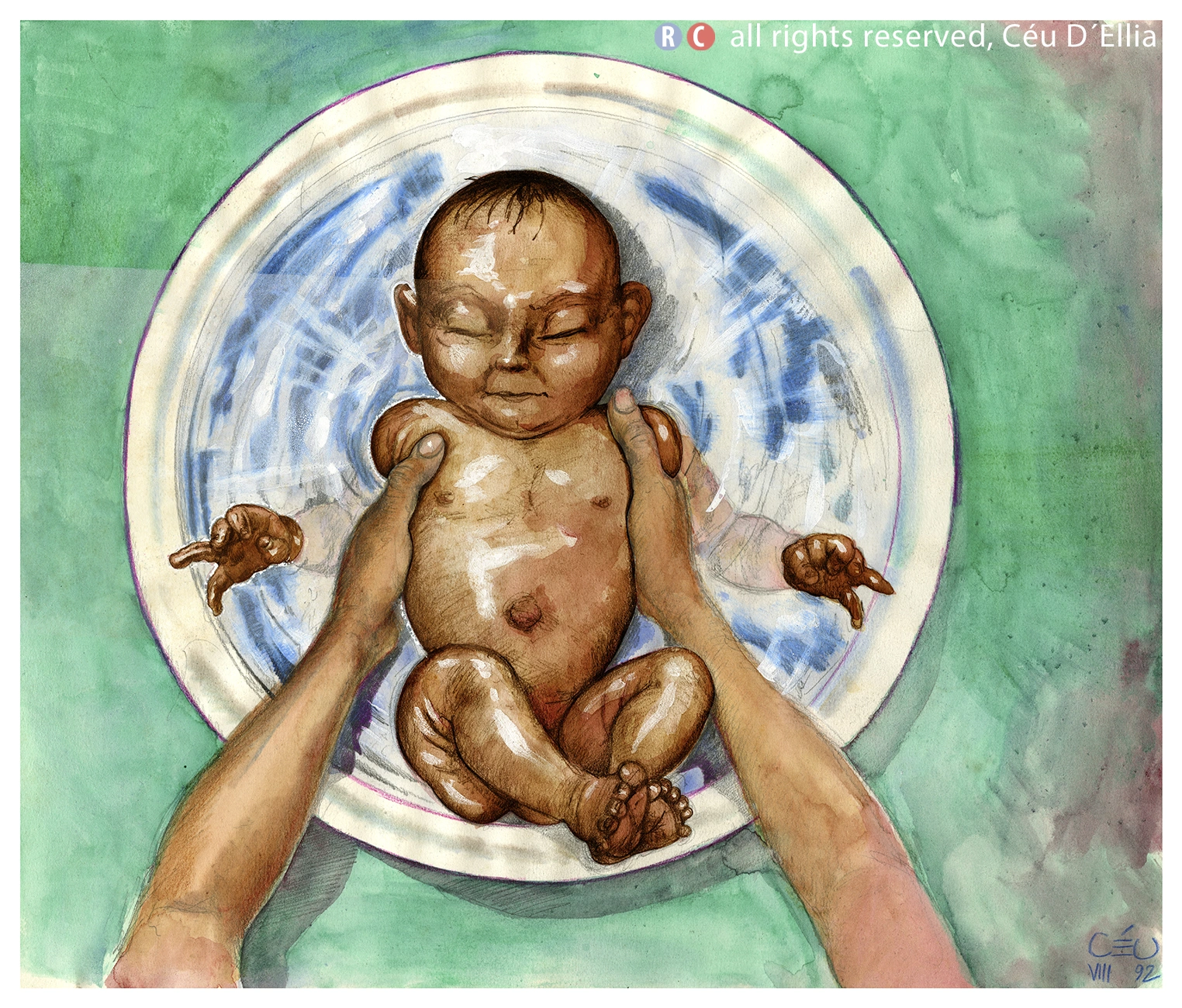
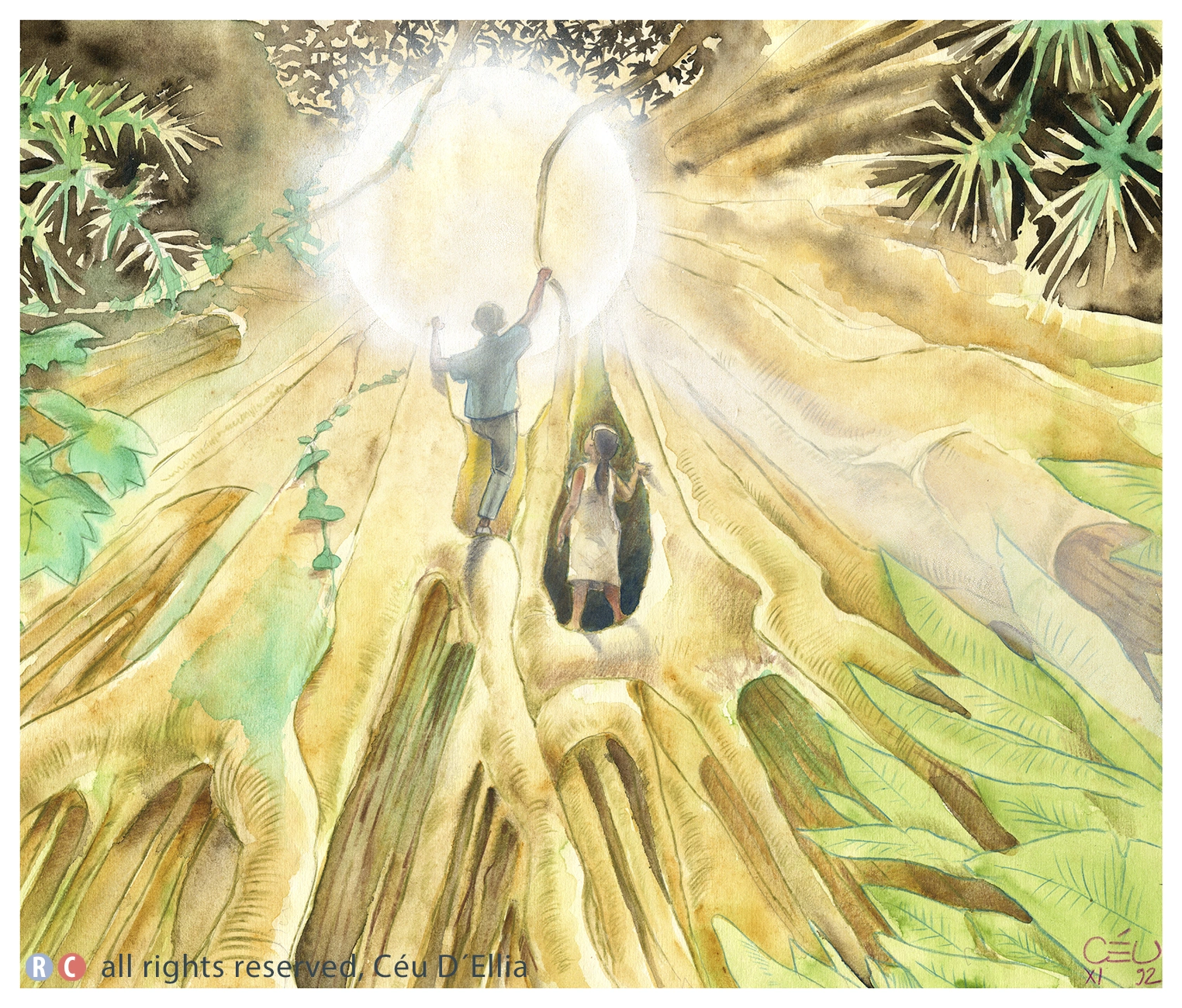
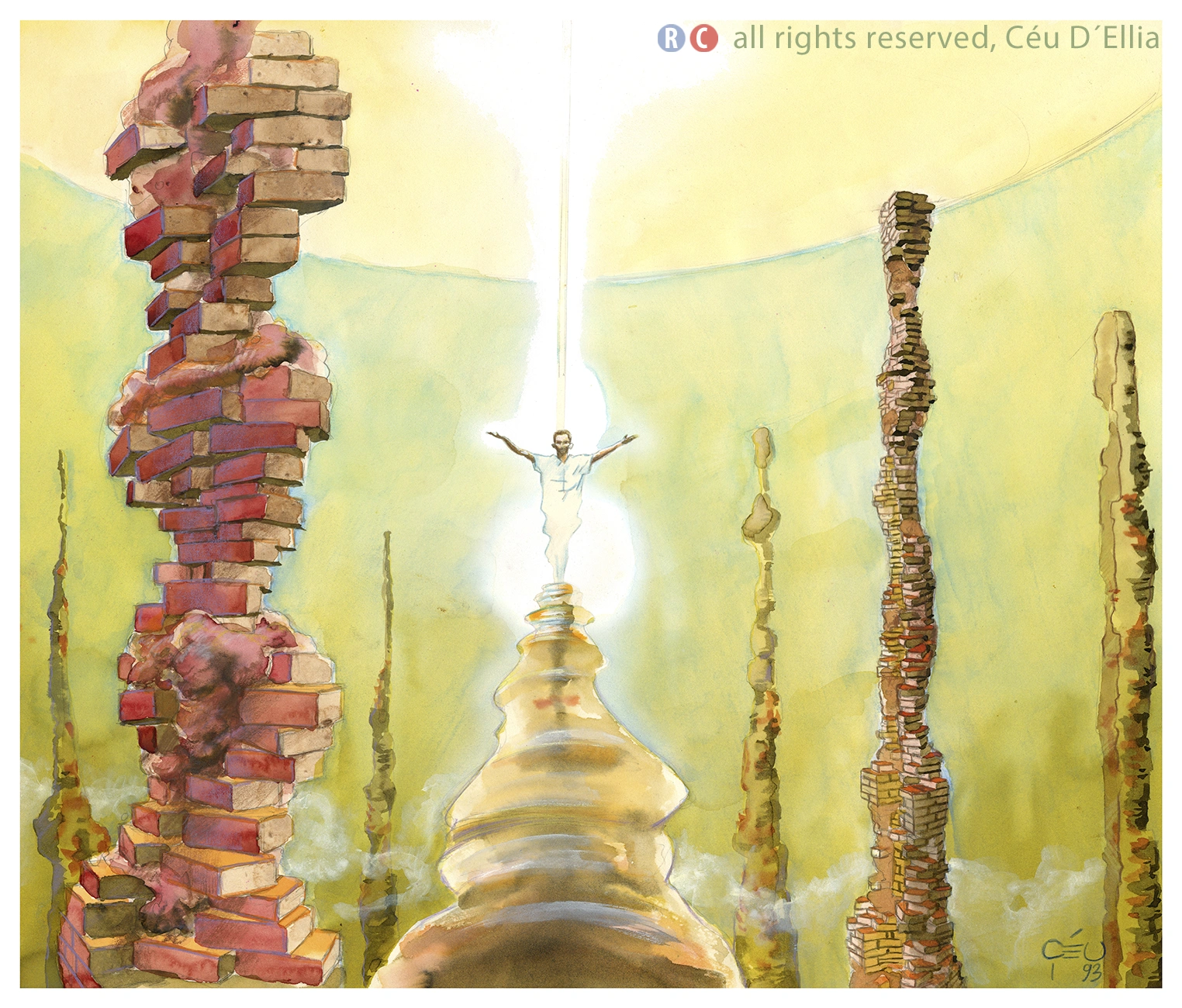
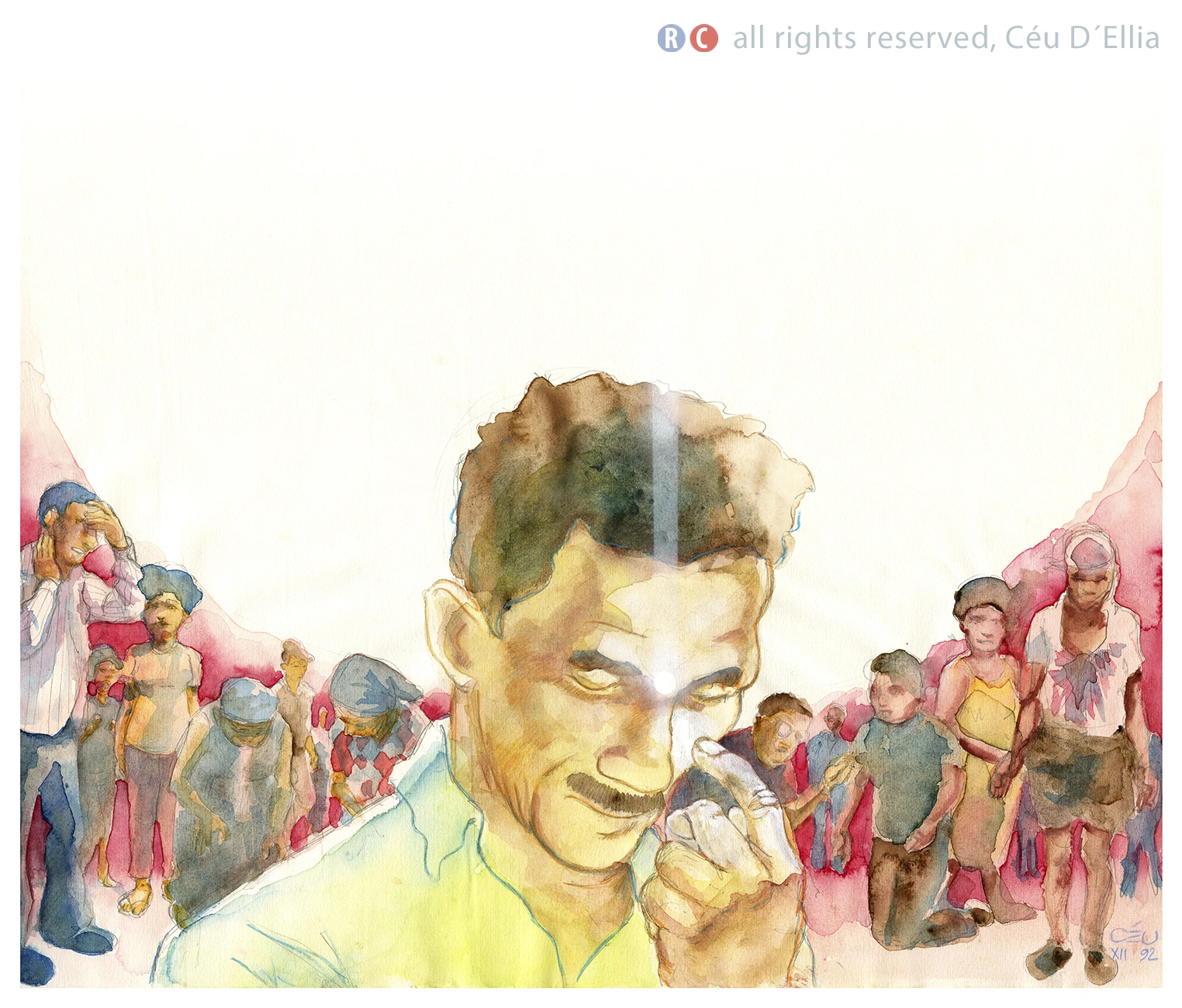
The ritualistic use of ayahuasca is an ancient tradition. In Indigenous cultures, it serves as a medium for communicating with—and from—immaterial beings linked to the forces of cosmic nature and the Earth, fostering the community’s psychic harmony and providing guidance for healing.
When it encounters traditions influenced by Christianity—such as the UDV, founded by a caboclo rubber tapper—other perspectives are incorporated, including spiritual communion with Jesus and the pursuit of self-knowledge.
Labeling the beverage “hallucinogenic” or the religion practiced by the UDV as “syncretism” means adhering to a somewhat limiting and outdated ethnocentric paradigm. That said, the experience does indeed involve unique states of consciousness, and non-Indigenous religious groups that use the drink—like the UDV—often incorporate elements from African, Spiritist, and Hermetic traditions.
While I consider it important to provide some contextual information for this public exhibition, I must emphasize that the subject is vast, sensitive, and transcends the scope of commonplace knowledge. It would be irresponsible of me to attempt to summarize a topic of this magnitude within this text. I make no such claim…”
“… while creating this work, I undertook a research trip to Acre, Rondônia, and Amazonas… getting to know—up close and within their daily routines—masters whom I had not yet had the opportunity to meet: Pequenina, Cícero, Pernambuco, and Herculano. And José Pereira, in Plácido de Castro, and Florêncio, in Manaus.
I remember my meeting with each of them in great detail. Serene, joyful. Yet perhaps the one that left the deepest mark on me was my first meeting with Mestre Pernambuco. I went looking for him on a street—a place where, I was told, he earned a living for himself and his family by selling popsicles.
Heat, dust, the bustle of the streets. His face was weathered and solemn. I was a young man of twenty-eight, standing before an elder who had weathered—literally—storms to be there at that moment. I introduced myself, and we talked for a while. He started off a bit bitter and made no secret of the fact that his struggle was a hard one. He took a deep breath, shared some fascinating stories about his time with Mestre Gabriel, and asked me to meet him later at his home. Mestre Herculano would also be there later on.
I recorded testimonials with all of them—both for the record and for audiovisual purposes—but above all, I learned many things that I carry with me…
… Personally, I believe that the bridges of love we build during our spiritual quest are, in fact, the very goal of the quest itself…”
“…My idea was that we were identifying the core iconography of the narrative arc through which one enters a religion—that is, the arc connecting the human experience of daily life (characterized, in this instance, by simplicity and fraternity) with the spiritual and transcendent experience.
And I felt that the best course of action for future generations would be to clearly illustrate the human journey of José Gabriel da Costa—the cultural, geographic, and historical references, as well as the challenges, that shaped this man, this individual. That is what I sought to portray when I selected the minutest details for each of the drawings…”